
Unlocking Success: How Unique Rewards Boost Engagement 2025

In the rapidly evolving landscape of modern entertainment and gaming, capturing and maintaining user engagement remains a primary challenge. Central to this effort is the strategic use of rewards, which serve as powerful motivators that encourage ongoing participation. Among various reward types, one concept stands out for its ability to create memorable experiences and foster loyalty: the power of **uniqueness** in reward systems. This article explores how distinctive rewards enhance engagement across industries, supported by practical examples and research-backed principles.
Table of Contents
- Fundamental Principles of Reward Systems
- The Concept of Engagement Through Gamification
- The Role of Uniqueness in Reward Design
- Case Study: “Le Pharaoh” – A Modern Illustration of Unique Rewards
- Deep Dive: Psychological and Design Elements Behind “Le Pharaoh” Rewards
- Beyond Gaming: Broader Applications of Unique Rewards in Engagement Strategies
- Designing Effective Unique Rewards: Best Practices and Recommendations
- Future Trends in Reward-Based Engagement
- Conclusion: Unlocking Success Through Thoughtful Reward Strategies
Fundamental Principles of Reward Systems
Differentiating between standard and unique rewards
Standard rewards, such as points, discounts, or generic collectibles, are widely used due to their simplicity and ease of implementation. However, these often lack the emotional impact needed to sustain long-term engagement. In contrast, **unique rewards**—such as limited-edition items, personalized content, or memorable characters—stand out because they tap into the human desire for rarity and distinction. This differentiation is crucial because it transforms a mere incentive into a memorable experience that encourages repeated interaction.
Psychological underpinnings: why novelty and rarity increase perceived value
Research in psychology indicates that humans assign greater value to novel and rare stimuli. According to the **Scarcity Principle**, items that are limited in availability evoke a sense of urgency and exclusivity, motivating users to act quickly. Additionally, the **Novelty Effect** suggests that new and unexpected rewards stimulate dopamine release in the brain, enhancing pleasure and reinforcing positive behavior. These effects make **uniqueness** a potent tool for increasing user motivation and fostering loyalty.
The impact of consistent reward delivery on user behavior and loyalty
Consistent and well-timed rewards build a sense of reliability, encouraging users to return. When combined with **unique rewards**, this consistency creates anticipation and desire, transforming casual users into loyal participants. Studies show that users who receive personalized or rare incentives are more likely to develop emotional attachments to a platform or product, ultimately increasing lifetime engagement and advocacy.
The Concept of Engagement Through Gamification
How gamification elements leverage rewards to foster ongoing interaction
Gamification integrates game-like mechanics—such as points, badges, leaderboards, and challenges—into non-game contexts to motivate users. Rewards serve as the core drivers in this framework, providing tangible recognition for achievements and progress. For instance, earning a **rare badge** after completing a difficult task not only recognizes skill but also incentivizes further participation, creating a cycle of ongoing engagement.
Examples from various industries: education, marketing, gaming
In education, platforms like Duolingo employ streaks and achievement badges to motivate learners. In marketing, loyalty programs such as Starbucks Rewards use exclusive offers to reward frequent customers. Gaming exemplifies reward-driven engagement through rare items and unlocking secret levels, exemplified by titles like “Le Pharaoh,” which use thematic and unique rewards to deepen player immersion.
The importance of balancing reward frequency and surprise to maintain interest
A critical aspect of effective gamification is the balance between predictable rewards and unexpected surprises. Too frequent, predictable rewards can diminish excitement, while rare surprises can boost engagement. Strategic use of **randomized rare rewards**—like special features or bonuses—keeps users intrigued and eager to continue exploring.
The Role of Uniqueness in Reward Design
Why unique rewards stand out compared to generic incentives
In a crowded marketplace, **distinctive rewards** capture attention more effectively than standard incentives. Unique rewards evoke emotional responses—such as pride, nostalgia, or exclusivity—that encourage users to pursue them. For example, limited-edition characters or thematic elements tied to a brand or game setting create a sense of belonging and specialness, elevating engagement levels.
Case studies of successful implementation of unique rewards
Successful brands and games have demonstrated that well-designed **unique rewards** can significantly boost user retention. For instance, exclusive in-game characters or skins tied to seasonal events generate buzz and motivate players to participate repeatedly. The Japanese mobile game “Puzzle & Dragons” regularly introduces limited-time monsters, creating scarcity and urgency that drive continuous engagement.
Potential pitfalls: overusing or misaligning rewards with user expectations
While uniqueness enhances engagement, overusing rare rewards or misaligning them with user preferences can backfire. Excessive rarity may frustrate users, leading to disengagement. Conversely, rewards that seem disconnected from user interests can feel trivial or manipulative. Thus, understanding audience preferences and ensuring thematic consistency—like the Egyptian motif in “Le Pharaoh”—is vital for meaningful reward design.
Case Study: “Le Pharaoh” – A Modern Illustration of Unique Rewards
Overview of “Le Pharaoh”: theme, protagonist, and game mechanics
“Le Pharaoh” is a contemporary slot game that immerses players in an Egyptian-themed adventure. Its protagonist, a raccoon dressed as an Egyptian pharaoh, exemplifies how character design can serve as a memorable reward element. The game mechanics incorporate features like active paylines and special symbols that enhance user interaction and excitement.
How the game employs unique reward features
- The Egyptian raccoon character: A distinctive mascot that appears as a symbol of the game’s unique identity, fostering emotional connection.
- Rainbow Over the Pyramids bonus: Triggered by 5 scatters, this feature activates a colorful, memorable visual event that creates a sense of achievement.
- Always-active paylines: Ensures continuous engagement, reinforcing fairness and flow, aligning with the theme’s mystique.
Analyzing how these features serve as unique rewards that boost player engagement
The incorporation of thematic characters like the raccoon and visual spectacles such as Rainbow Over the Pyramids creates memorable moments that players associate with achievement. These features exemplify how **distinctive, thematic rewards** elevate the overall gaming experience, encouraging players to return for the thrill of unlocking these unique elements.
Deep Dive: Psychological and Design Elements Behind “Le Pharaoh” Rewards
The thrill of activation: why scatter-triggered events create excitement
Scatter-triggered features, like Rainbow Over the Pyramids, tap into the anticipation of rare events. The unpredictability heightens excitement, as players never know when the next big reward will activate. This uncertainty stimulates dopamine release, reinforcing positive feelings and encouraging continued play.
Symbolism and theme consistency as a form of immersive reward experience
The Egyptian motif, represented by pyramids, scarabs, and an archaeological aesthetic, creates a cohesive universe. When rewards like the raccoon character or rainbow symbols align with this theme, they deepen immersion and emotional investment. Such thematic consistency ensures that rewards are perceived not just as incentives but as integral parts of the story.
The impact of continuous payline activation on perceived fairness and flow
Always-active paylines maintain a seamless flow, reducing frustration and enhancing perceived fairness. This continuous engagement sustains the gameplay rhythm, making players feel constantly involved and rewarded, which is essential for long-term retention.
Beyond Gaming: Broader Applications of Unique Rewards in Engagement Strategies
Education: rewarding mastery with exclusive badges or content
Educational platforms increasingly utilize **unique rewards** like personalized badges, certificates, or access to special content to motivate learners. These rewards recognize individual achievement and foster a sense of progression, much like how thematic characters in “Le Pharaoh” symbolize mastery and discovery.
Marketing: loyalty programs offering personalized or limited-edition rewards
Brands like Starbucks create excitement through limited-edition drinks or personalized rewards, which cultivate exclusivity and customer loyalty. These strategies mirror the gaming principle of **rare, thematic rewards** that deepen emotional bonds.
Corporate settings: recognition systems that emphasize uniqueness to motivate employees
Organizations are adopting recognition programs that highlight individual contributions with **special awards** or personalized acknowledgments. These foster a culture of appreciation and motivation, similar to how thematic rewards in games reinforce engagement and loyalty.
Designing Effective Unique Rewards: Best Practices and Recommendations
Ensuring rewards align with user preferences and motivations
Understanding your audience is key. Conduct surveys or analyze behavior to identify what types of rewards resonate most—whether they are aesthetic, functional, or status-based. For example, in “Le Pharaoh,” thematic consistency and character design align with player interests in ancient Egypt, boosting engagement.
Balancing rarity and accessibility to sustain interest
Rare rewards should be challenging yet attainable to prevent frustration. Introducing tiered rewards—common, rare, and ultra-rare—maintains excitement and a sense of achievement. This approach ensures that users remain motivated without feeling excluded.

सम्बन्धित समाचार

गोदरेज एप्लायन्सेसले ल्यायो उत्सव योजना ‘मनैदेखि वाउ !’

भव्य उद्घाटनसँगै काठमाडौंमा सुरु भयो यामाहा ब्लू फेस्ट

बजाजको निःशुल्क चेकअप क्याम्प; लेबरदेखि स्पेयर पाट्र्ससम्म छुटै छुट

नाडाबाट बाढी पीडितहरुका लागि राहत सामग्रीहरु वितरण

जेसीबी इन्डियाद्वारा भोटेकोशी बाढी उद्धारमा खटिएका नेपाली ग्राहकहरूको सम्मान

एनसेल र नाटोबीच साझेदारी, नेपाल आउने पर्यटकहरूको दूरसञ्चार सेवामा पहुँच सहज हुने
ट्रेन्डिङ

२०८३ असोज ४ गते आइतबार,हेर्नुहोस आज कुन राशिलाई कति लाभ ?

२०८३ भदौ ३१ गते बुधबार,हेर्नुहोस आज कुन राशिलाई कति लाभ?
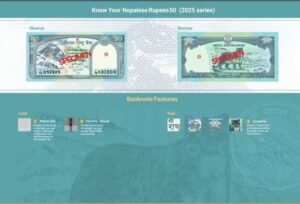
राष्ट्र बैंकले आजदेखि चलनचल्तीमा ल्यायो नयाँ ५० रुपैयाँको नोट

आज देशभर मध्यमदेखि भारी वर्षाको सम्भावना

२०८३ असोज ५ गते मंगलबार,हेर्नुहोस आज कुन राशिलाई कति लाभ ?