
Finding Authentic Products on the Fat Pirate Official Site Made Easy

In today’s digital shopping landscape, verifying the authenticity of products online is essential to ensure safety, quality, and value. While many platforms offer genuine items, the proliferation of counterfeit products remains a challenge for consumers. This article explores practical strategies to identify authentic products on the fatpirate casino site and beyond, illustrating timeless principles with modern applications. By understanding key indicators and utilizing available site features, shoppers can confidently make informed decisions, avoiding common pitfalls associated with counterfeit goods.
Table of Contents
Key indicators to verify product authenticity before purchase
Spotting official branding and packaging cues
Authentic products typically display consistent branding elements such as logos, color schemes, and packaging quality. Genuine items will have high-resolution images with accurate color reproduction and clear, professional packaging. For example, counterfeit products often feature blurry logos, incorrect fonts, or misaligned labels. When evaluating a product, compare its packaging with official images provided on the retailer’s site or authorized promotional materials. This attention to detail helps distinguish genuine goods from copies.
Checking for verified seller badges and certifications
Many reputable online platforms, including official sites, display verified seller badges or certification seals indicating legitimacy. These badges are often issued by the platform itself after rigorous verification processes. Look for symbols such as trust seals, security logos, or official accreditation marks. For instance, products listed by verified sellers are less likely to be counterfeit than those from unverified third-party vendors. Ensuring the seller’s credibility is a foundational step in authenticating products.
Assessing product descriptions and authenticity claims
Authentic listings include detailed, accurate descriptions that match the actual product specifications. Vague or overly generic descriptions, misspellings, or exaggerated claims can signal counterfeit items. Cross-reference the product details with official manufacturer information or reviews. Authentic products also often include serial numbers or QR codes that can be verified through official channels. Careful scrutiny of these descriptions helps prevent falling for fake listings.
Step-by-step process for using site features to confirm legitimacy
Utilizing the search filters to identify genuine items
Modern e-commerce sites incorporate search filters that assist users in narrowing down authentic products. Use filters such as brand, model, certification, or seller type to focus your search on verified options. For example, filtering by “Official Retailer” or “Certified Seller” can significantly reduce the risk of encountering counterfeit items. These tools are designed to streamline the verification process and enhance your confidence in the purchase.
Interpreting customer reviews and feedback for authenticity clues
Customer reviews serve as an invaluable resource for assessing product legitimacy. Genuine buyers often leave detailed feedback regarding product quality, packaging, and authenticity. Look for consistent comments about product origin or verification processes. Beware of overly positive reviews lacking specifics or reviews with suspiciously similar language, which could indicate fake feedback. Analyzing reviews helps uncover patterns that point toward authentic or counterfeit products.
Leveraging the official verification tools and support channels
Many websites provide dedicated verification tools, such as serial number checkers or authenticity verification pages. Use these tools to confirm product legitimacy directly through the site. Additionally, contact customer support for clarification if any doubts arise. Official support channels can verify product authenticity, provide guidance, or escalate issues with suspicious listings. Employing these resources reduces the risk of purchasing counterfeit items.
Common pitfalls that lead to counterfeit products and how to avoid them
Recognizing suspicious pricing and discount patterns
Unusually low prices or excessive discounts are often red flags for counterfeit products. If a product is significantly cheaper than the standard market price, it warrants careful scrutiny. For example, a luxury branded product offered at a fraction of its retail price likely indicates a fake. Always compare prices across trusted sources and be wary of deals that seem too good to be true.
Identifying fake product images and misleading descriptions
Counterfeit listings frequently use stock photos or low-quality images to deceive buyers. Cross-check images with official manufacturer galleries. Misleading descriptions that omit key features or claim false benefits are also signs of counterfeit listings. Authentic sellers provide high-resolution, accurate images and detailed descriptions to establish trust.
Understanding the risks of third-party sellers outside the official platform
Selling through unofficial channels increases the likelihood of counterfeit products. While third-party marketplaces can offer lower prices, they often lack the verification safeguards present on official sites. Always prioritize purchasing from verified sellers or directly from the official platform. This approach minimizes exposure to counterfeit goods and ensures product authenticity.
Practical examples of authentic product verification in real transactions
Case study: Authenticity check during a recent purchase
Jane was interested in a limited-edition collectible on the official site. She checked the product’s packaging, verified the serial number through the manufacturer’s official verification tool, and confirmed the seller’s verified badge. The detailed review history and high-quality images reassured her of the product’s authenticity. This multi-step verification exemplifies how combining several indicators can confidently confirm legitimacy.
Scenario analysis: Differentiating genuine and fake listings
Consider two listings for the same product. Listing A features official branding, verified seller status, verified customer reviews, and accurate images. Listing B has suspiciously low prices, vague descriptions, and stock photos. Using the principles outlined above, a buyer can identify Listing A as authentic and avoid the counterfeit risk posed by Listing B.
Success stories from users who reliably identified authentic items
Many consumers have shared experiences where scrutinizing seller badges, reading detailed reviews, and verifying serial numbers prevented costly mistakes. For instance, a collector successfully identified a rare item’s authenticity by cross-referencing serial numbers with manufacturer databases and consulting official support channels. Such stories highlight the practical importance of educated verification techniques.
“Knowledge of key indicators and site features transforms online shopping from a gamble into a confident purchase.”

सम्बन्धित समाचार
गोदरेज एप्लायन्सेसले ल्यायो उत्सव योजना ‘मनैदेखि वाउ !’

भव्य उद्घाटनसँगै काठमाडौंमा सुरु भयो यामाहा ब्लू फेस्ट

बजाजको निःशुल्क चेकअप क्याम्प; लेबरदेखि स्पेयर पाट्र्ससम्म छुटै छुट

नाडाबाट बाढी पीडितहरुका लागि राहत सामग्रीहरु वितरण

जेसीबी इन्डियाद्वारा भोटेकोशी बाढी उद्धारमा खटिएका नेपाली ग्राहकहरूको सम्मान

एनसेल र नाटोबीच साझेदारी, नेपाल आउने पर्यटकहरूको दूरसञ्चार सेवामा पहुँच सहज हुने
ट्रेन्डिङ

२०८३ असोज ४ गते आइतबार,हेर्नुहोस आज कुन राशिलाई कति लाभ ?

२०८३ भदौ ३१ गते बुधबार,हेर्नुहोस आज कुन राशिलाई कति लाभ?
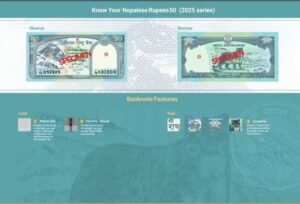
राष्ट्र बैंकले आजदेखि चलनचल्तीमा ल्यायो नयाँ ५० रुपैयाँको नोट

आज देशभर मध्यमदेखि भारी वर्षाको सम्भावना

रेमिट्यान्स अब सिधै इसेवा खातामा प्राप्त गर्न सकिने